Fractional product & design leadership · Travel tech · 2017–2021

Shep (acquired)

With this work, we helped companies see and support business travel booked outside their managed travel programs, while employees kept using the consumer booking sites they preferred.

We spent the first year working on the small and medium business (SMB) market. The economics were rough: small budgets, inconsistent travel, and acquisition costs the market couldn’t carry.

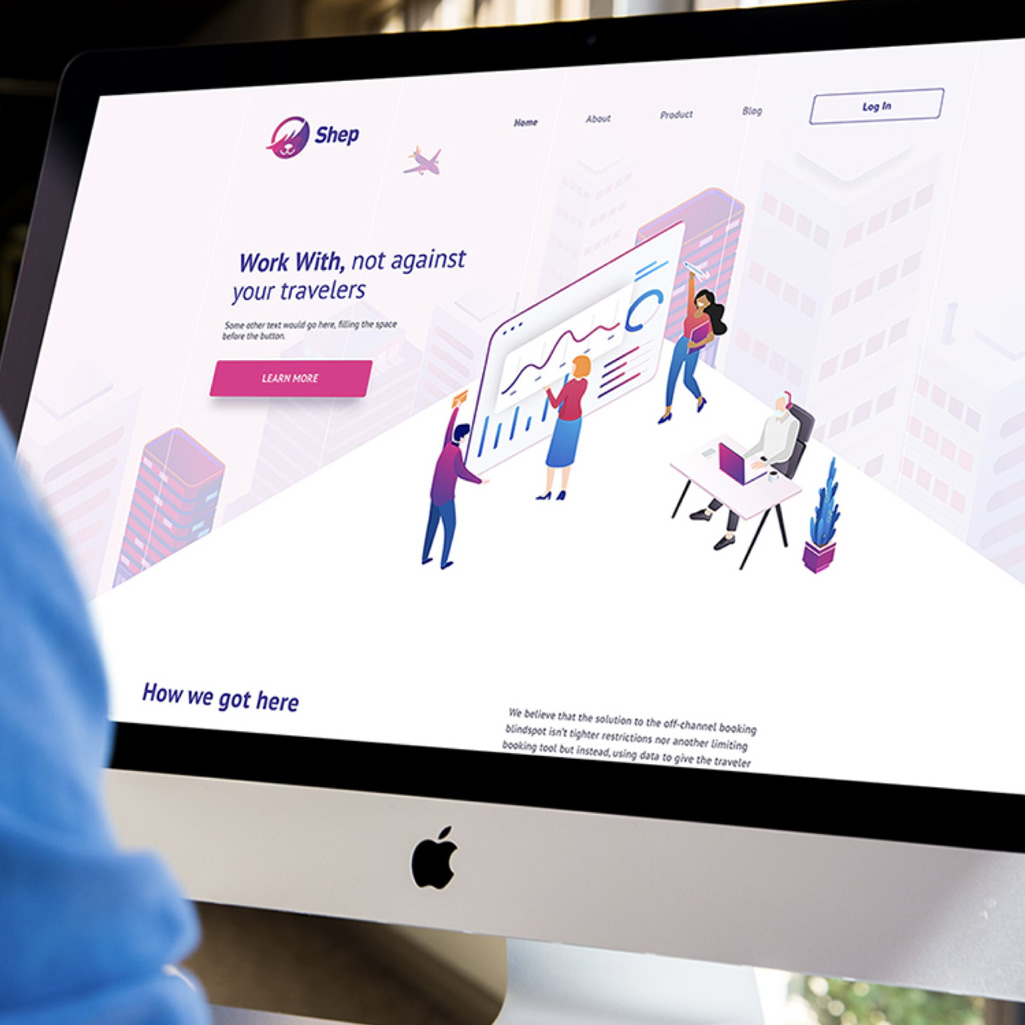
As we learned more about the industry, we moved toward enterprise and duty of care. I translated that direction into the website and messaging, browser extension, and the product experience.
By Skipper Chong Warson · Published 23 Sep 2024 · Updated 7 Sep 2026

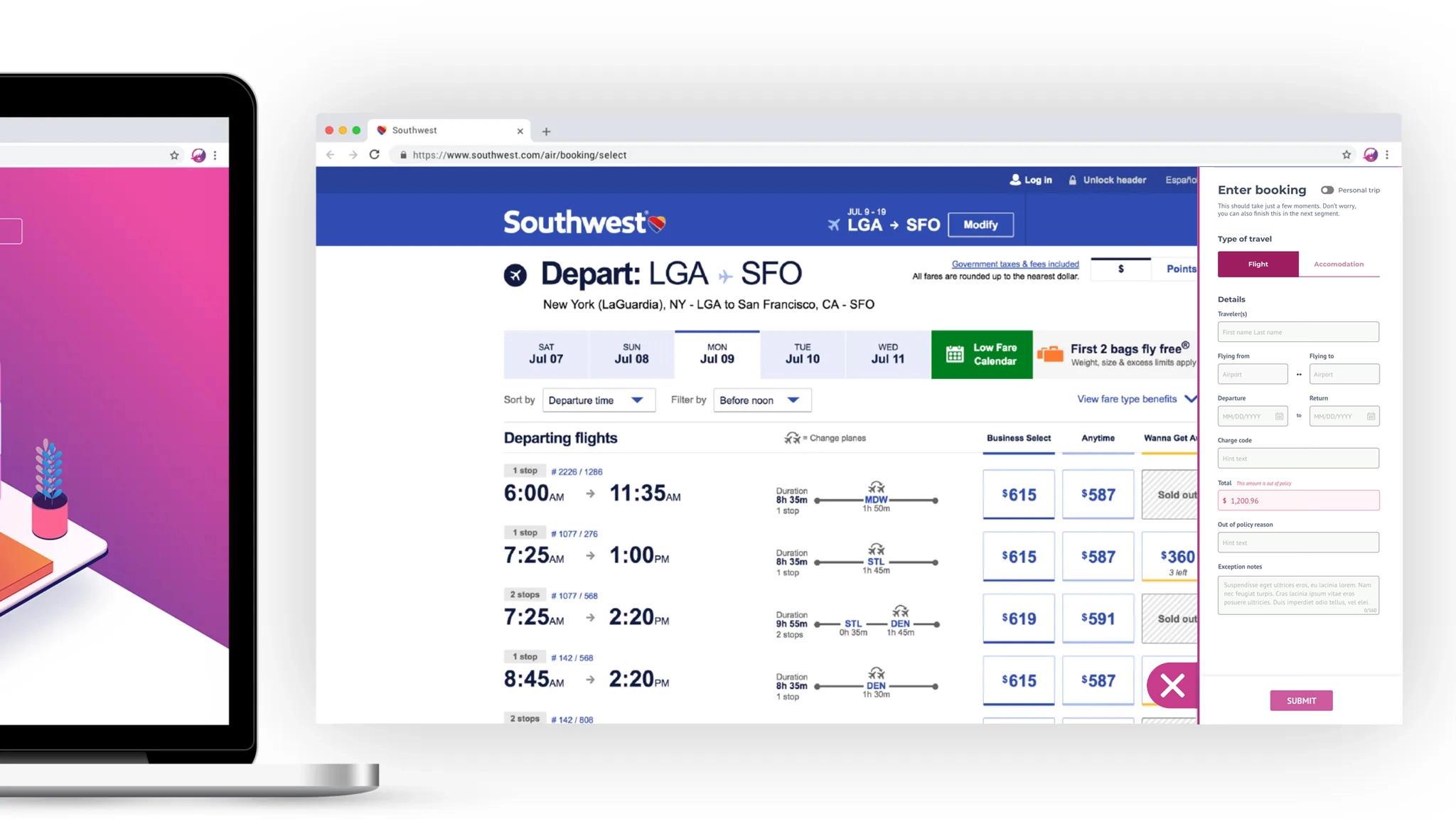
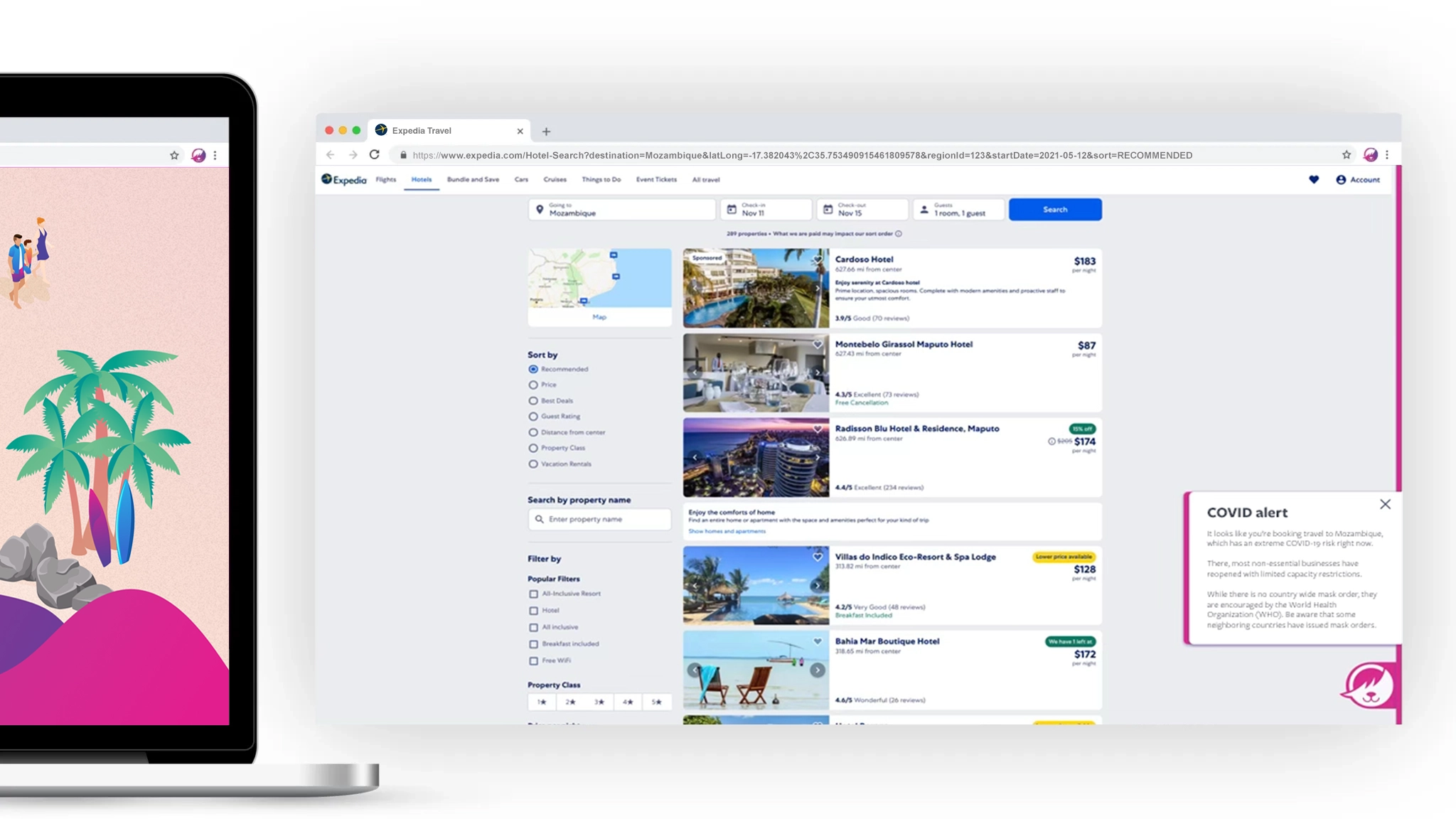
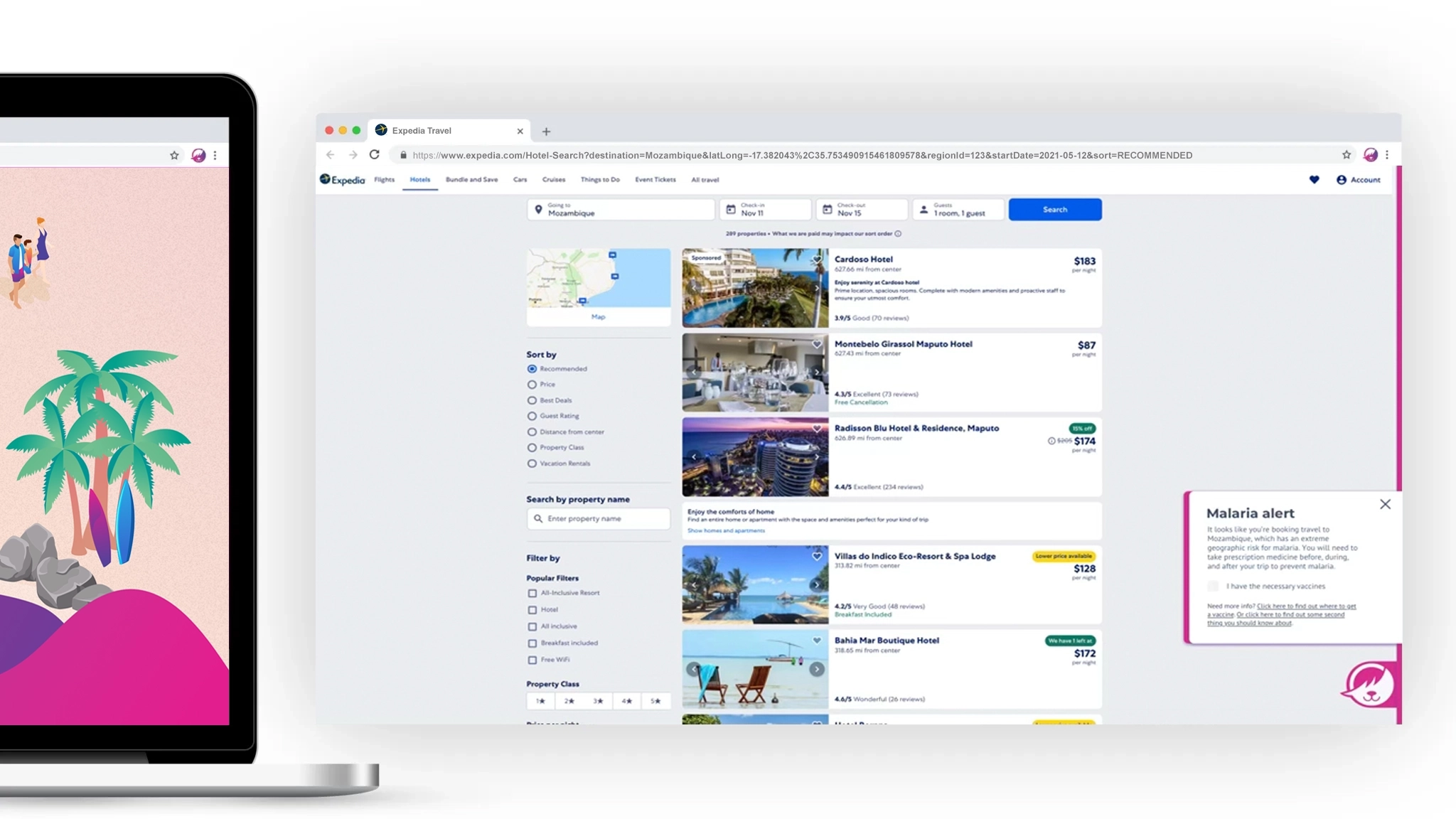
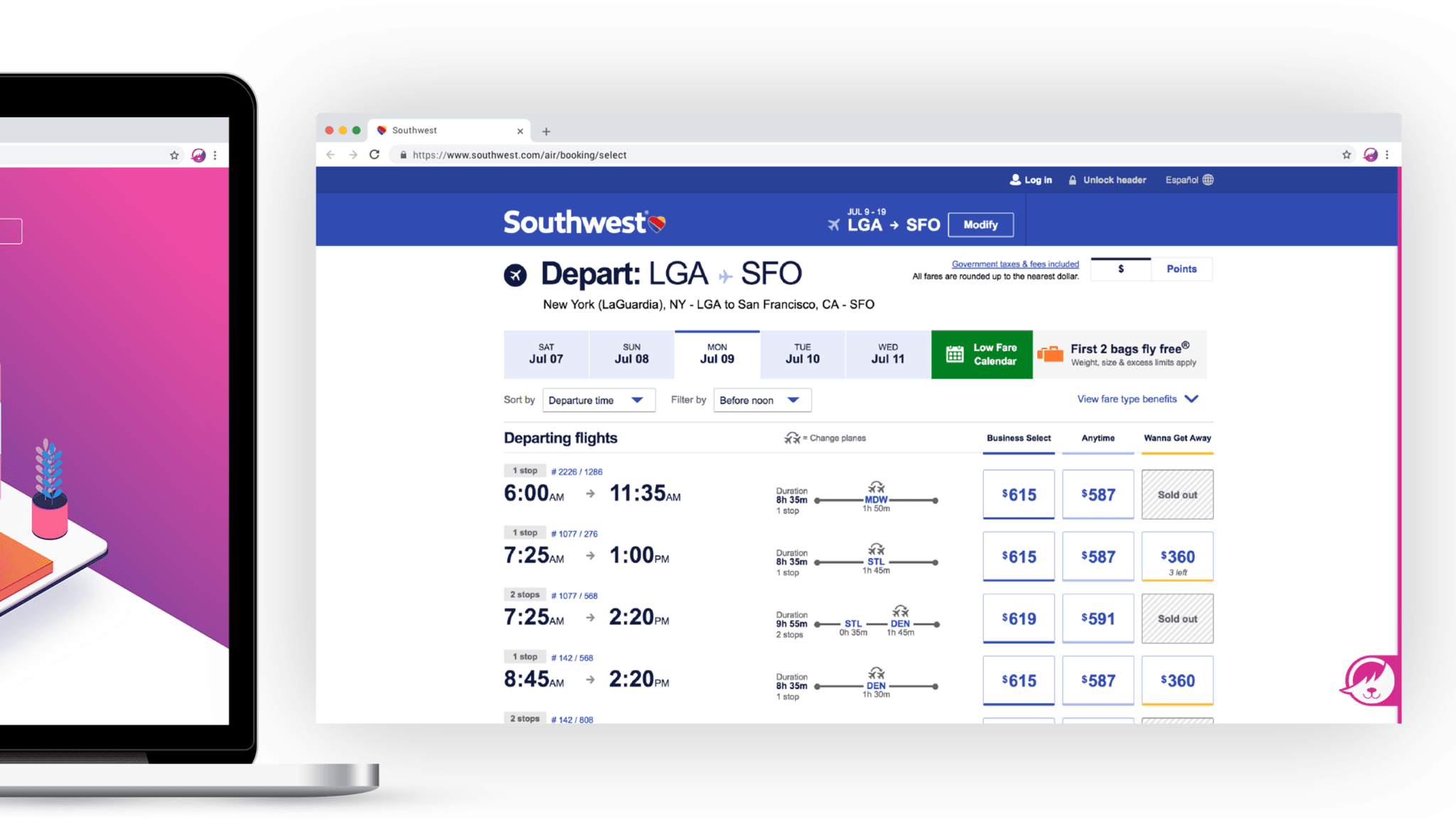
Shep browser extension guidance overlay on a consumer travel site

When travel went off channel, companies lost sight of the traveler

In 2017, about 30% of business travel was booked outside company travel systems (according to PhocusWire). An employee could book on a consumer site, and the trip might never enter the company’s travel records.

Then something would go wrong: a cancellation, new vaccination requirements, or a new regulation. The company was still responsible for the traveler, but might not know where they were, what guidance they had seen, or how to reach them.

That breakdown touched four groups:

  • Employees wanted to use familiar booking sites
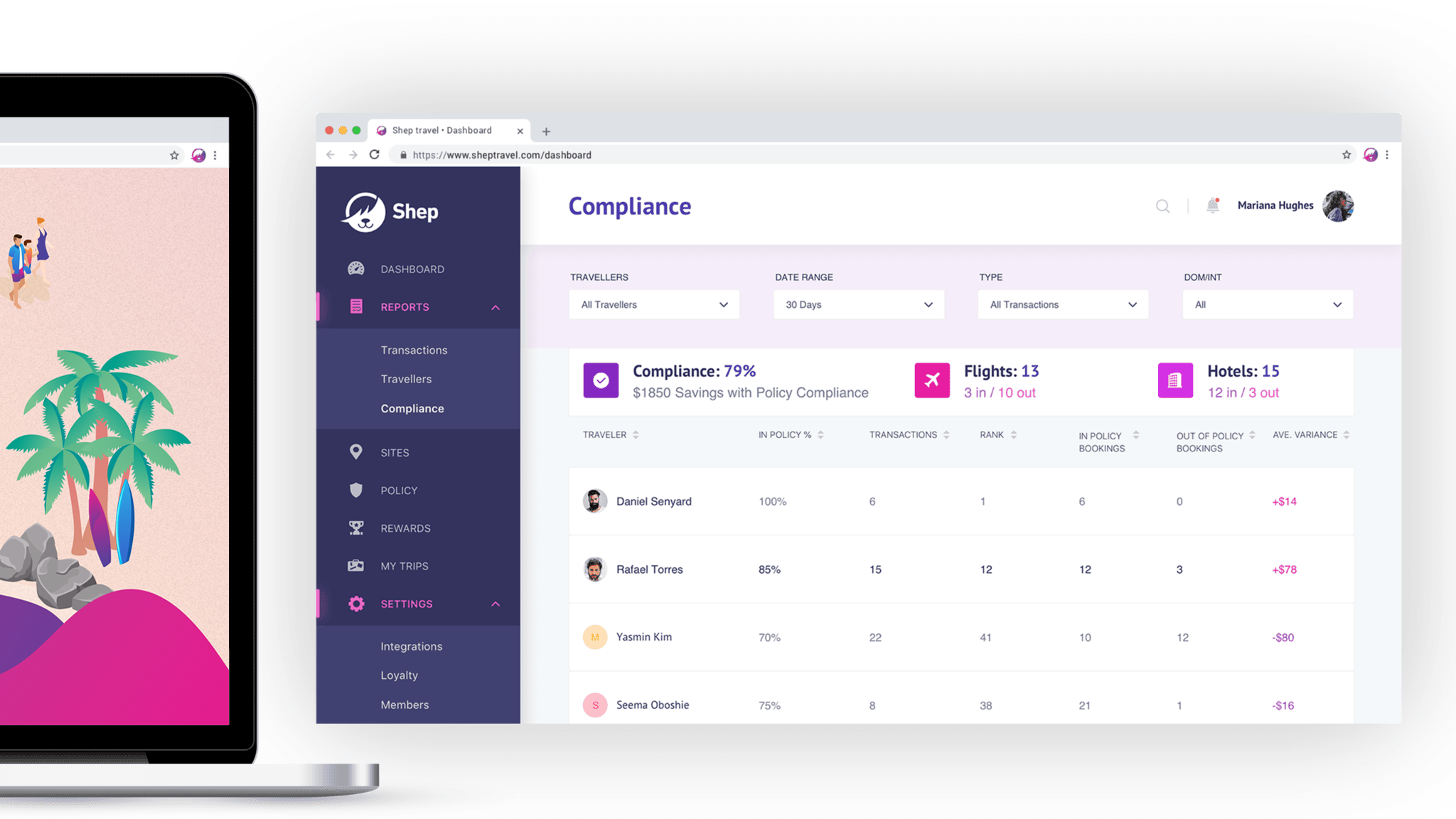
  • Travel managers needed off-channel trips and policy exceptions to be visible
  • Executives responsible for duty of care needed to find and support people during disruptions
  • HR teams needed a reliable way to communicate with employees in transit

Small and medium businesses seemed like the obvious first market. But after a year, the economics didn’t hold. Travel volume was inconsistent, budgets were thin, and customer acquisition cost too much.

Meet travelers where they already book

Enterprise changed the stakes. If a traveler disappeared from the system, the company was still responsible for them.

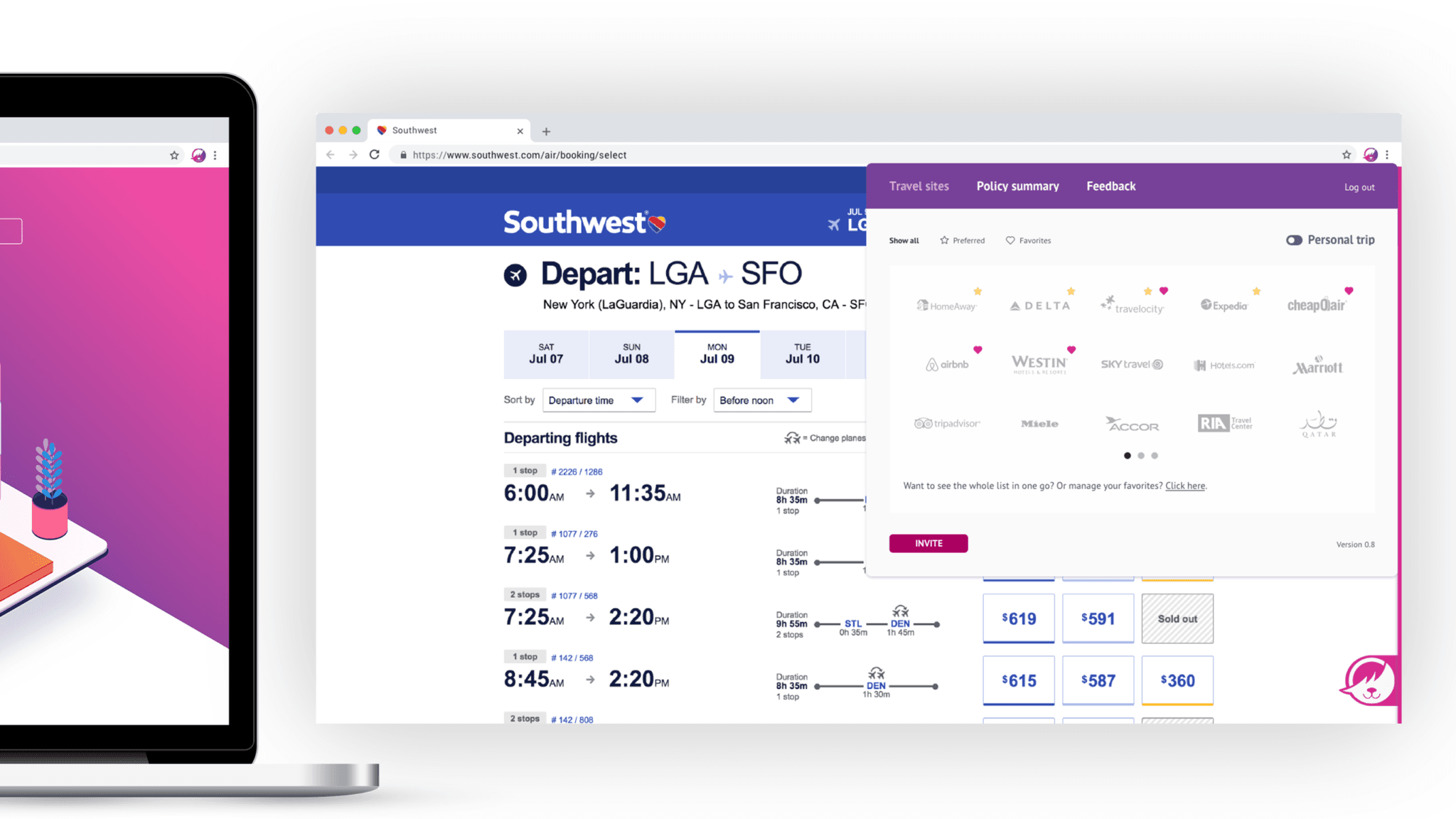
Shep could meet employees on the consumer sites they already used. The browser extension could detect an off-channel booking, show policy and health guidance at the point of booking, and give travel and duty-of-care teams enough trip data to find and support the traveler later.

Shep had become an enterprise duty-of-care layer.

Enterprise pilots, then COVID-19

Flight Centre invested at the end of 2019. Adidas, Discovery Channel, and other companies became enterprise pilots.

The pilots were meant to prove that Shep could turn off-channel bookings into visible trips. The extension needed to detect the booking, put company guidance in front of the employee, and give travel and safety teams enough information to respond when a trip went sideways.

Then COVID-19 collapsed business travel and froze the pilots. The same product experience now had to carry fast-changing health and safety guidance in the context of a trip.

What I led

As a fractional founding product and design leader, I led the rebuild around that job:

  • Refined the requirements around policy exceptions, health advisories, and crisis contacts
  • Worked through what the extension should detect, show, and send back to the company
  • Hired and directed two contract designers
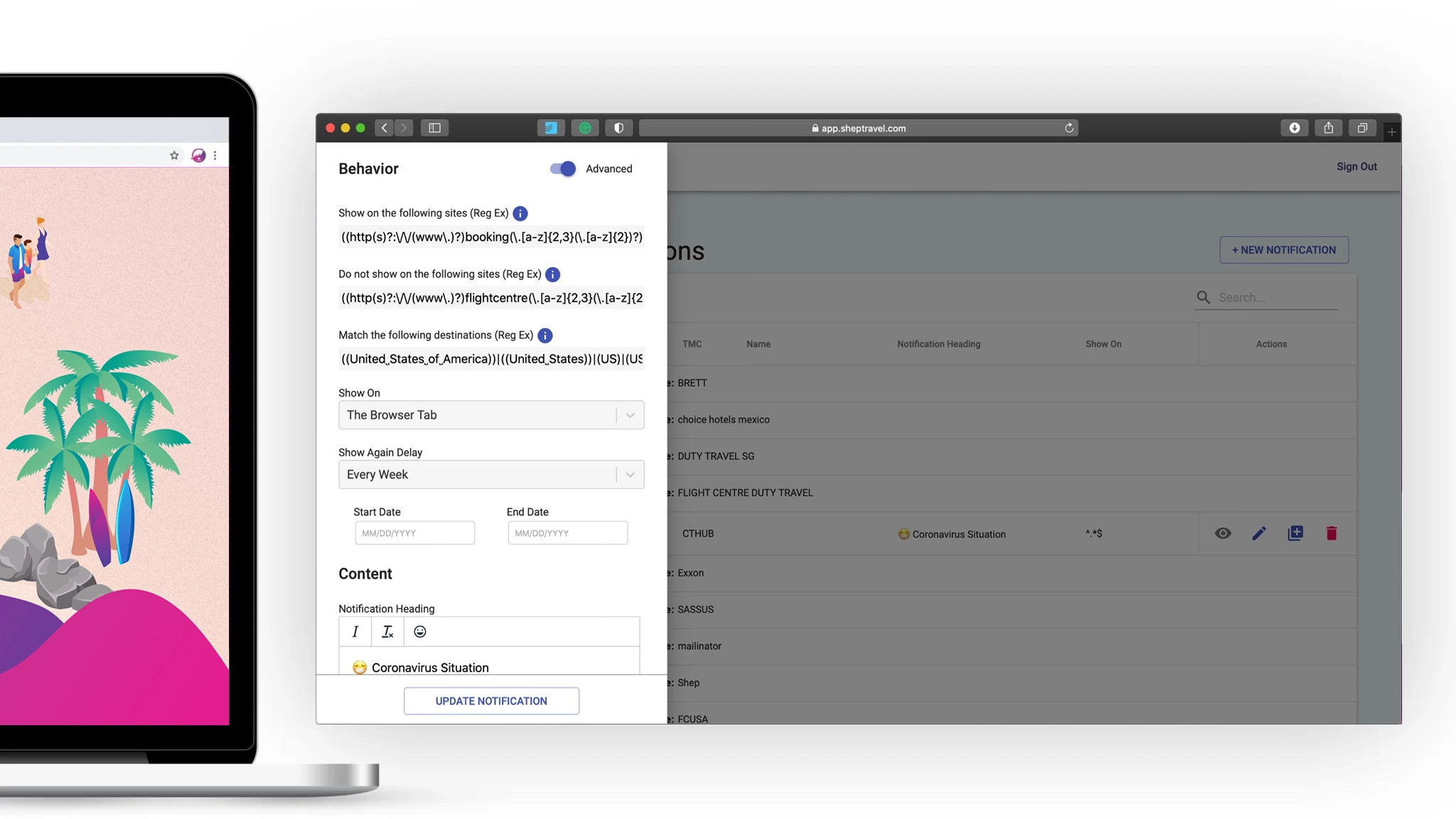
  • Led the extension and back-end product experience, along with the website, messaging, interaction design, and visual system

Shep’s product direction shifted toward helping companies find and support travelers without forcing them back into managed booking tools.

I worked on that experience layer while the full-time team owned the customer relationships and broader enterprise strategy.

Flight Centre acquired Shep

Flight Centre acquired Shep in December 2021, two years after its initial investment.

I was part of the founding team and was paid out when the deal closed.

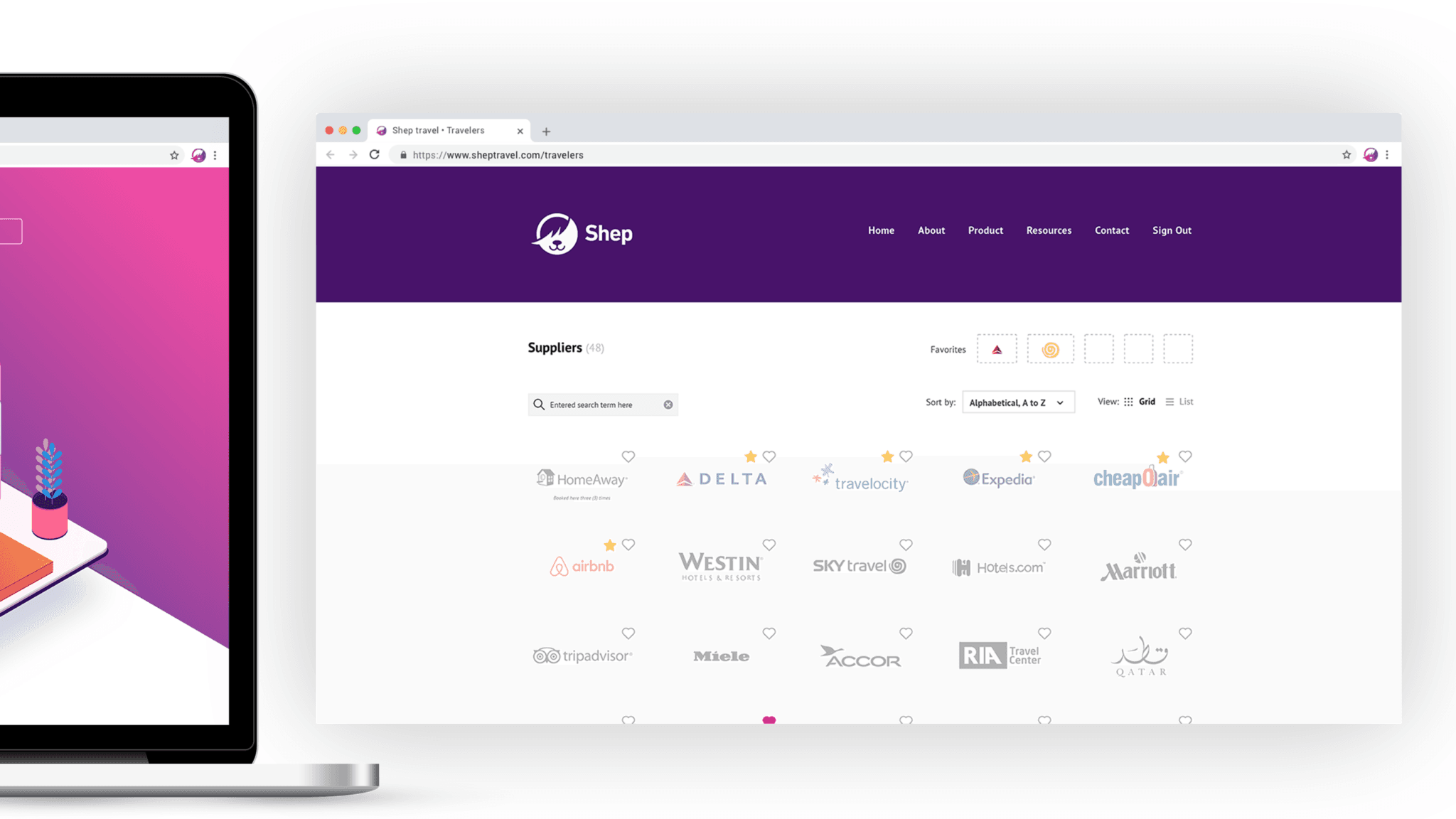
Flight Centre cited Shep’s browser-extension technology, policy communication, health and safety guidance, sustainability, duty of care, and cross-site data. My work covered the browser extension, policy and health guidance, admin tooling, website, and messaging.

The product followed the customer

The first market didn’t work. The behavior did. Employees were still going to book where they wanted, and their employers were still responsible when something went wrong. We stopped trying to change that behavior and built around it.

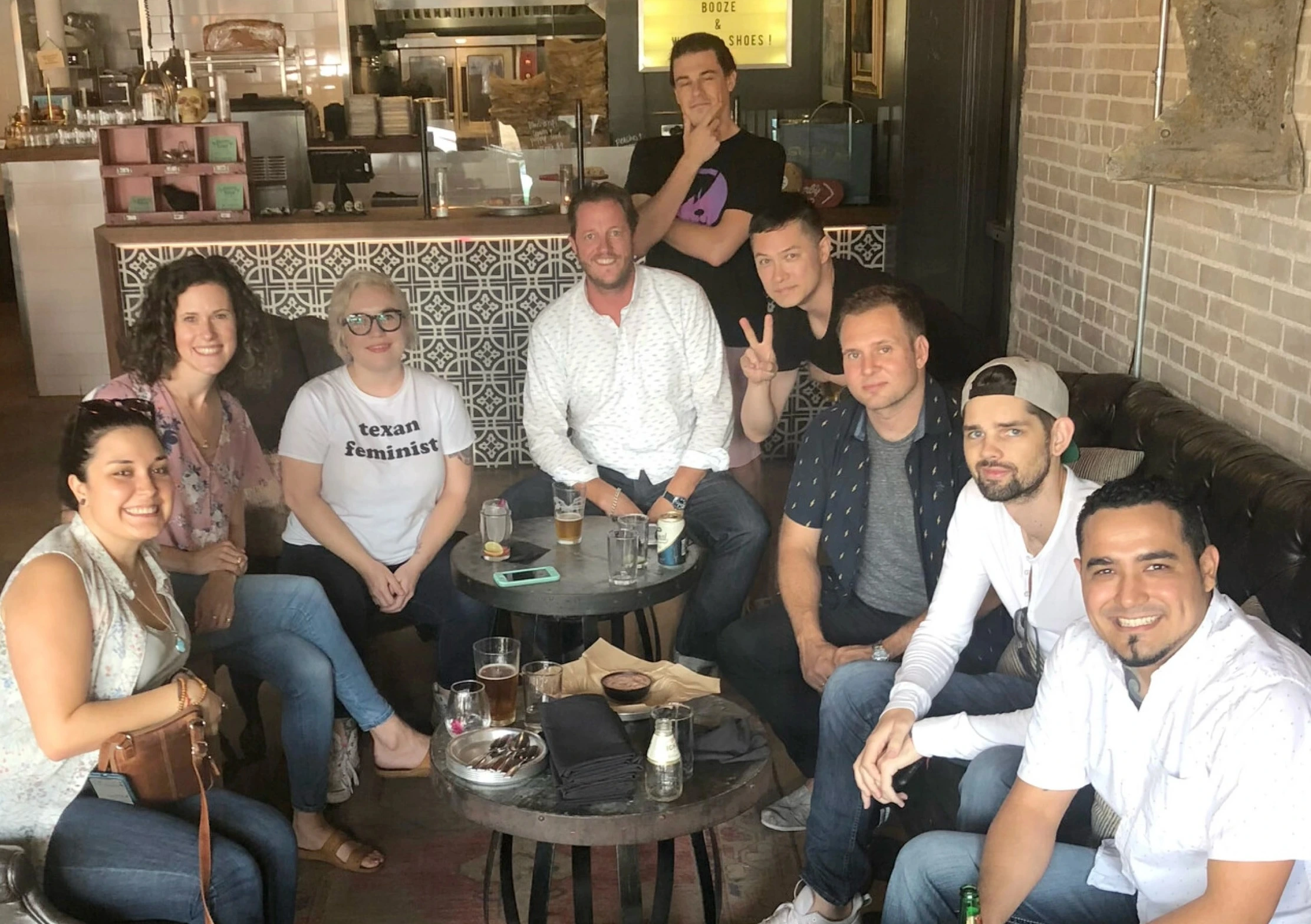
The Shep team in 2018 after work
The whole team one late afternoon in Austin, Texas after a half day working jam and shooting headshots

Shep met that behavior where it already happened. My part was rebuilding the product so companies could see off-channel trips, get guidance in front of travelers, and respond when something went wrong.